

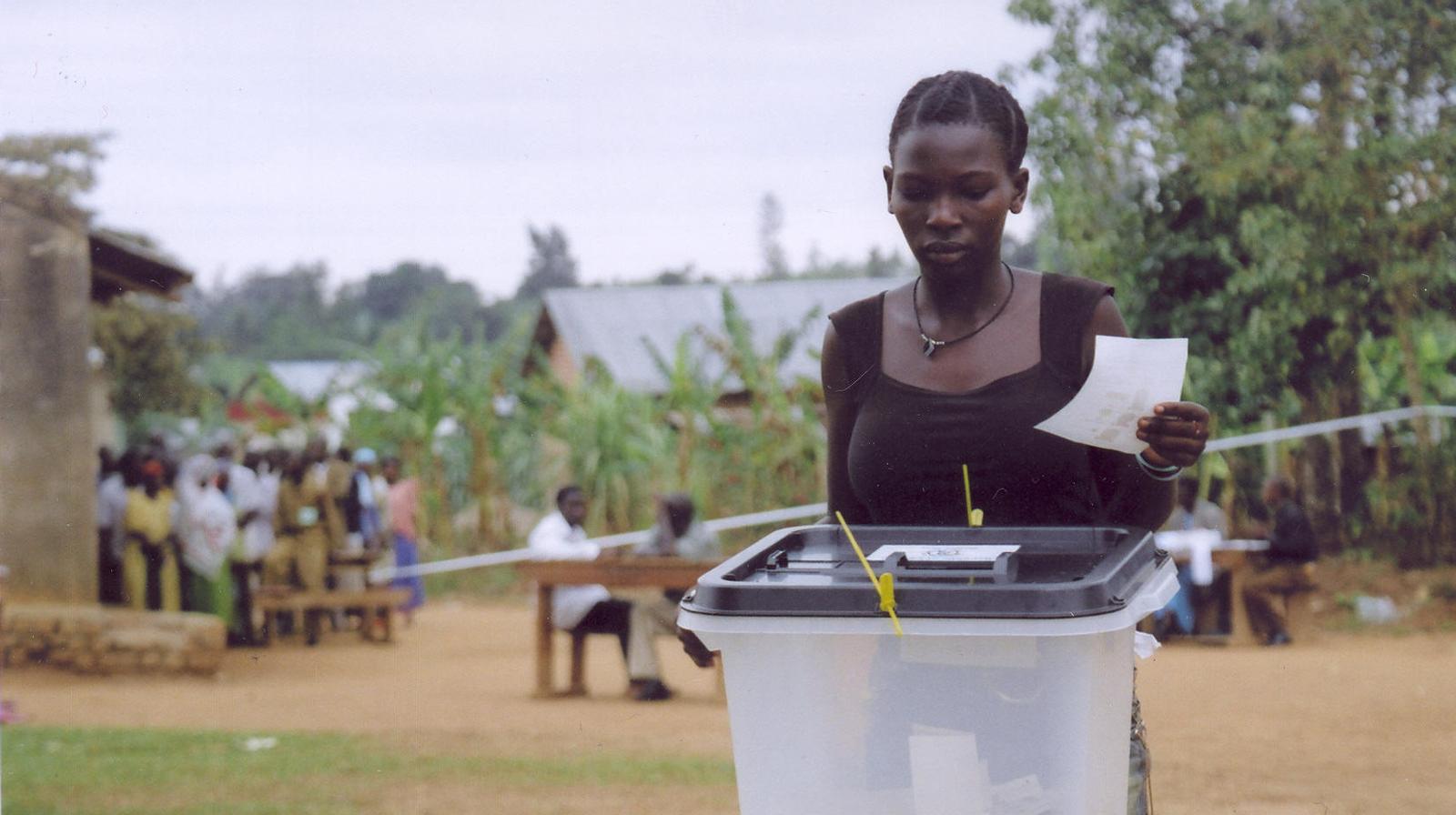
A growing culture of voter dependence on handouts is tightening its grip on Ntungamo District as the 2025/2026 campaign season begins, with political analysts warning that the trend is eroding meaningful political engagement.
Voters increasingly demand money, gifts, or material benefits from candidates before and after listening to their manifestos, a pattern critics say worsens with each election cycle.
Political analyst Edward Natamba says the exchange of money between candidates and voters has become deeply entrenched, driven in part by influential individuals who bankroll incumbents and mobilize support through cash.
“Over the years, we have seen big people during campaigns giving out money to voters. This affects them because it has created a culture of ‘give me, I give you,’” Natamba notes.
He adds that these so-called mobilisers often arrive with sacks of cash, distorting voter choices and limiting citizens’ ability to make informed decisions.
Natamba warns that the long-term implications on governance are serious.
“Democracy is deteriorating day in, day out, and service delivery is disrupted in the long run. When voters are bought off, they don’t even ask for a manifesto or demand accountability from their leaders,” he says.
The monetisation of politics has also spilled onto campaign trails, where residents openly request “Ameizi,” a term commonly used to refer to handouts.
Political commentator Perez Rumanzi attributes the behaviour to long-serving politicians who feel compelled to use cash to maintain power.
“Staying in power for long intrigues candidates to offer voters money and buy them off to keep voting them,” he explains, arguing that some incumbents prioritize politicking over service delivery once key projects are completed.
Analysts note that while poverty plays a role, the handout culture has evolved beyond economic need and is now an accepted norm among many voters.
Natamba stresses that leveling the political playing field could reduce the influence of money in elections: “If we had a levelled ground where all political parties didn’t have money for mobilising support, the monetary effect would be minimal.”
Experts are now calling on the Electoral Commission and civil society organisations to intensify voter education, particularly as new voters enter the electoral cycle each season.
